

Part One: The Hanna-Barbera Cartoon
“Up from the depths, 30 stories high, breathing fire, his head in the clouds. Godzilla, Godzilla, Godzilla….and Godzooky!” These were the infamous words that greeted Godzilla fans every Saturday morning from 1978 until 1981. Hanna-Barbera Studios’ Godzilla cartoon was an interesting take on the King of the Monsters, and is a chapter in Godzilla’s history most serious fans would like to forget. The series premiered on September 8th, 1978 on the NBC television network. Producers William Hanna and Joseph Barbera wanted to cash in on the popularity of the then current movies series (Godzilla vs. Megalon had been released in 1976 and Terror of MechaGodzilla received a March 1977), and contacted Henry Saperstein’s UPA Productions to arrange the licensing agreement. Getting the clearance from Toho, the go ahead was given early 1978 to produce the original 13 episodes. Originally intended to pick up where the movie series left off, NBC stations across the country felt that following the exploits of Godzilla’s big screen adventures would not appeal to their Saturday morning audiences, and that the cartoon should be more “child friendly.” Thus the decision was taken to change the format of the show. The plots …


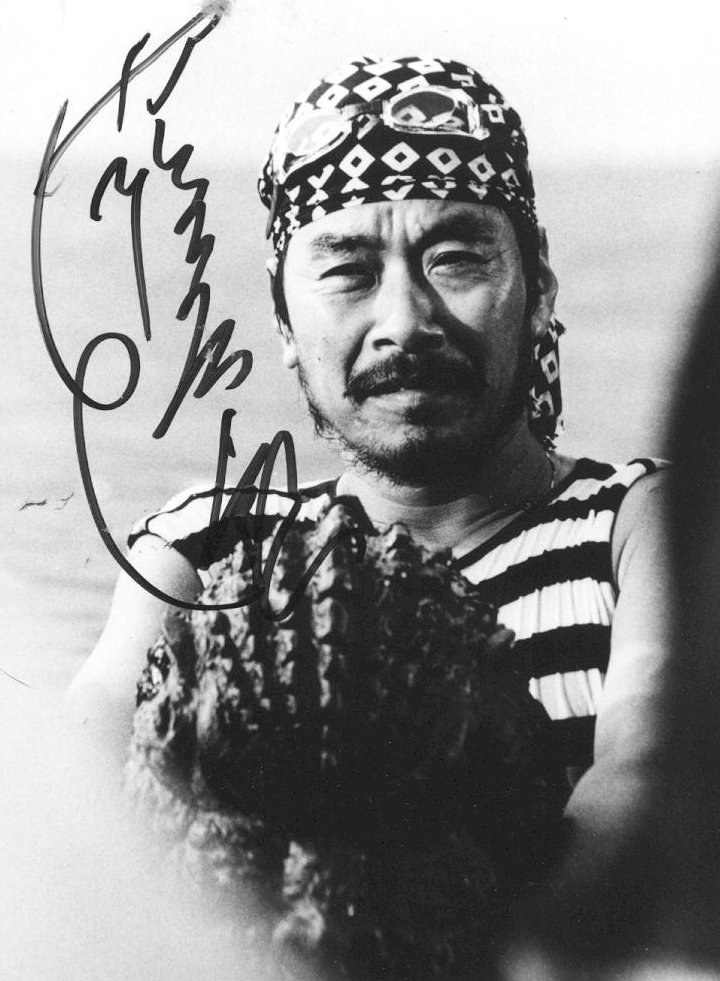

 During the flight back to Tokyo Tomoyuki Tanaka sat in his seat a worried man. Ordinary looking, having inherited the short stocky build characteristic of many Japanese men, he had just celebrated the passing of his forty-fourth birthday, and was about to celebrate his tenth year as a producer at the Toho Motion Picture Company. Until now he had done quite well for the studio, having produce a number of hits. But this time things had not gone so well. “On the plane ride back to Tokyo, I was desperate,” Tanaka recalled.“ I was sweating the whole time.” The year was 1954, and the film he intended to make was to have been In the Shadow of Glory, co-produced in cooperation with the Indonesian government. The plans for the film, however, fell through when Tanaka could not get work permits for the film’s stars. Having a budget for a war film, but having no film to shoot, Tanaka agonized at the prospect of losing face in the eyes of his company. But it was during that plane ride that, as Guy Tucker argues, …


